Blog

  • Why Is My Smoke Alarm Chirping? Common Causes and Solutions

    Why Is My Smoke Alarm Chirping? Common Causes and Solutions

    1. Introduction

    Like an anti-theft signal, smoke alarms are important devices in every house. They have features that raise the alert in someone’s presence or upon seeing smoke, which is crucial for a person and his other family members. However, if there is no apparent cause, the sound a Smoke Alarm emits while it chirps (which can be described as a short, high-pitched sound) can be irritating and confusing.

    In this manual, we’ll show you the most likely reasons that make your smoke alarms chirp and the possible ways to troubleshoot and bypass any such issue.

    2. What Does a Chirping Smoke Alarm Mean?

    Differentiating Between Chirping, Beeping, and Alarming

    The following set of sounds made by a smoke alarm can have crucial variations and it is pertinent to understand:

    • Chirping: Sound registering between 30 to a minute, which is a single signalling that there is something wrong.
    • Beeping: Quite loud regular sounds which syntactically hold the same pattern during their sequence indicating that there may be a threat of either smoke or a fire.
    • Alarming: Typically, it can mean the signal being instructed is the exact opposite of being dormant or quiet – that the particular threat is real and has the potential to harm.

    General Causes

    As mentioned earlier chirping usually shows usual problems like low battery, a part that started working on an internal error or just a defective alarm that is old. Grasping these reasons is the beginning of solving the problem.

    3. Common Causes of Smoke Alarm Chirping
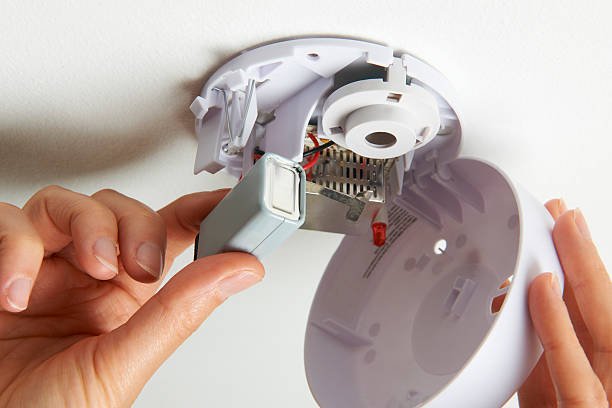
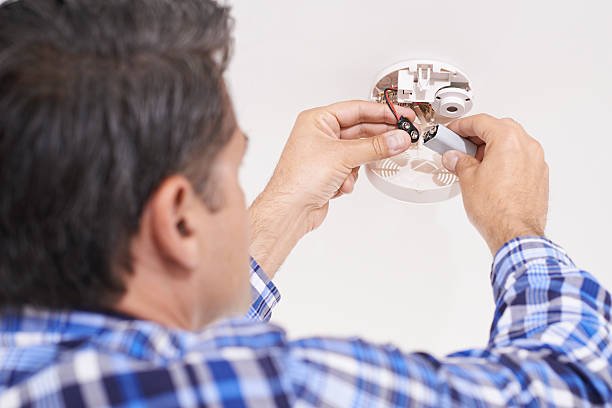
    Causes of Smoke Alarm Chirping

    Low Battery

    Chirping is almost always the result of a low battery. It is common knowledge that there isn’t a smoke detector battery that is designed to blip or chirp – instead, when the device reaches a low battery it is preferable to have a functionality that emits a chirp.

    • Solution: Use a new, robust battery instead. It must be installed well, ensuring that the positive and negative terminals are aligned as directed.

    End of Life for Smoke Alarm

    Smoke alarms cannot be used after the expiration of their operational life expectancy, which ranges from 7 to 10 years. During this time the devices would have accumulated wear and tear on the internal mechanisms forcing them to malfunction.

    • Solution: The device has the date of manufacture inscribed on one side. In case the alarm has indeed expired its lifespan, do not be afraid to let go of it and buy a new one.

    Dirt or Dust Buildup

    Both dust and dirt tend to settle inside the smoke alarm which can interfere with the hardware, making it emit a chirping sound.

    • Solution: Take off the device and use compressed air or a soft rag to clean it. Avoid any form of water or harmful chemicals while cleaning it.

    4. How to Troubleshoot Your Smoke Alarm

    Identifying the Problem

    Recognising the problem is critical, however, the solutions one offers depend on the type of the problem. This is the reason why both recognising the issue and the problems are cardinal aspects. Here is what can help you do so:

    1. Note the chirping: The sound may be caused by a change in battery or due to lifetime alerts. Plenty more sounds can vary and help one to diagnose the issue at hand.
    2. Refer to the User Manual: Some units include descriptions that explain the reasons for chirping based on the device’s behaviour.

    Testing the Device

    To see whether or not the device is operational, press the “test” button on your alarm in order to perform the audible alarm test. If an audible alarm does not sound during the test, the alarm should be checked to see if it needs replacement or new batteries, or the battery may also require changing.

    Checking Battery Placement

    Even though a battery may have been replaced, an incorrectly placed battery can still lead to problems. Make sure the battery has been installed correctly to prevent issues or that the terminal connections are aligned properly and clean before replacing the battery.

    5. When to Replace the Battery

    How Often Should You Change It?

    It is advisable that one should change smoke alarm batteries even though they may seem to be working every six months. Many homeowners sync this activity with turning their clocks an hour forward or back in the autumn and spring as recommended by experts for consistency.

    Signs It’s Time for a New Battery

    • The battery emits intermittent chirping.
    • Indicator lights LED are either dim or blinking.
    • When the testing of the alarm is done the time taken for it to respond is delayed.

    Pro Tip

    To avoid consistent battery replacement, buy long-lasting and good-quality batteries, as they will work effectively on the smoke alarm.

    6. Dealing with End-of-Life Alarms

    What Is End-of-Life Chirping?

    When the internal parts of the smoke alarm have deteriorated significantly, end-of-life chirping becomes evident making it impossible for the smart home device to exhibit tobacco or a fire.

    How to Confirm the Alarm Needs Replacement

    • Look for the manufacturing date on the back or underside of the alarm.
    • If the device is older than seven to ten years, it is advisable to replace the device.

    Replacing the Device

    Look out for new smoke alarms with long-life batteries, multi-device connectivity, or those that can be integrated with smart homes.

    7. Environmental Factors That Cause Chirping
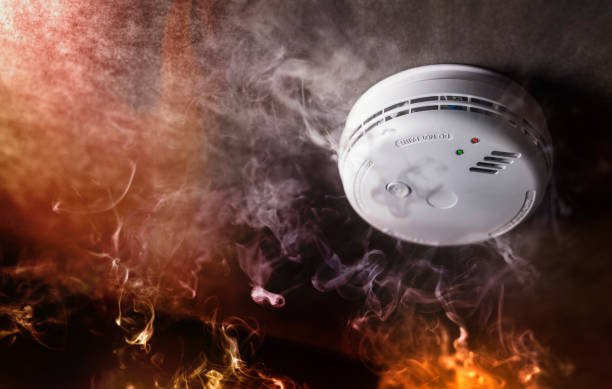
    Environmental Factors That Cause Smoke Alarm Chirping

    Temperature Changes

    The performance of the smoke alarm can be affected by extreme temperature changes. This can be the case for alarms placed above or below the vents of HVAC units.

    • Change: Moving the alarm from a place that has abrupt temperature variations.

    Humidity Issues

    High humidity or condensation can interfere with the device’s sensors, causing false alarms and chirping sounds.

    • Change: Avoid putting alarms near bathtubs, washing rooms or other high-moisture regions.

    Power Surges

    Power surges can cause issues with smoke alarms that are hardwired into the electric system. They include Cisco systems including chirping that may be annoying.

    • Change: Temporarily disconnect the alarm unit from the electrical supply and remove the battery for a few minutes. That should take care of the chirping.

    8. Preventive Maintenance of Smoke Alarms

    Regular Cleaning

    Cleaning of smoke alarms should be done after three to six months to prevent dust and residues from accumulating. Use vacuum cleaner attachments or compressed air for best results.

    Scheduled Battery Changes

    To guarantee optimal performance of your smoke alarm system, it is highly recommended that you set aside reminders to change your smoke alarm batteries at least twice a year.

    Using Quality Batteries

    People should not use cheap or generic type of batteries, as they may not last long. Instead, they should go for good brands that make high-quality batteries.

    9. Special Considerations for Smart Smoke Alarms

    Smart smoke alarms have other important features like smart home integration and application notifications. They, however, come with different troubleshooting requirements.

    How They Differ

    • Smart alarms can trust issues easily thanks to apps that are connected with them; app users receive notifications of issues to be resolved.
    • They usually contain rechargeable or sealed batteries which are said to have a lifespan of not less than 10 years.

    Unique Troubleshooting Steps

    • In case the alarm does not synchronize with the app you are using, first verify that both devices are connected to the same internet connection.
    • And finally, ensure routine firmware updates.

    10. What to Do When Troubleshooting Fails

    When you have applied all measures to fix the alarm but it continues to produce chirping sounds, that should be a sign that it’s time to call a professional.

    Professional Help Options

    • Electricians can aid in regards to hardwired systems when there are electrical issues in smoke alarm systems.
    • Home fire safety professionals can inspect your residential premises for the effective detection and use of smoke alarm systems.

    Safety Measures Until Fixed

    • Make sure that there is a temporary replacement device ready for use.
    • Make your family aware of the problem and the strategies which are being utilised to solve this problem.

    11. Importance of Smoke Alarm Placement

    Best Locations for Installation

    • Bedrooms: Every bedroom should have a smoke alarm.
    • Hallways: If there are any sleeping areas, mount alarms in the hallways surrounding the sleeping areas.
    • Every Level: There should be alarms on each level of the house including the basements.

    Avoiding Problematic Areas

    • Kitchens: To avoid false alarms, alarms should be mounted at least 10 feet away from the cooking range.
    • Bathrooms: To reduce interference because of humidity, the alarms should be mounted away from showers or bathtubs.

    12. Tips for Buying Reliable Smoke Alarms
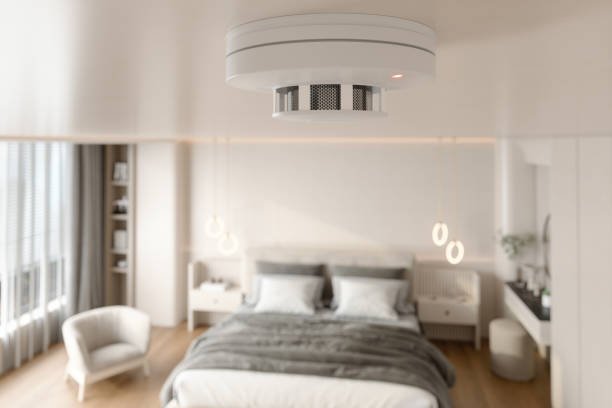
    Buying Reliable Smoke Alarms

    Choosing Trusted Brands

    Stay away from fire alarms that do not have a good review as well as are not UL certified or any other safety organisation’s certification.

    Features to Look For

    • Interconnectivity: This enables every alarm in the house to operate concurrently at the time of any danger.
    • Battery Life: Select models where the batteries are sealed and are expected to last ten years.
    • Smart Integration: Search for alarms that are in tandem with devices like Amazon Alexa or Google Home.

    Understanding Warranty Options

    With most alarms being reputable, they carry warranties between 5 to 10 years so read through these clauses to understand how secure your investment is.

    13. Expert Insights

    Fire Safety Expert Recommendations

    “Smoke alarms are your first line of defence against household fires. Regular maintenance ensures they work effectively when needed most,” says fire safety expert Sarah Johnson.

    Real-Life Stories of Smoke Alarms Saving Lives

    Consider the case of a family in California whose smoke alarm alerted them to a kitchen fire in the middle of the night, allowing them to escape unharmed.

    14. Future Trends in Smoke Alarm Technology

    Innovations in Battery Life

    Improvements in lithium batteries lead to low-maintenance alarm systems throughout their usage.

    Smart Integration and AI Advancements

    Alarms and detectors that use AI technology can tell the difference between smoke from cooking and an actual fire, stopping false alarms.

    15. Conclusion

    A chirping smoke alarm can be irritating; however, the peace of mind that such a simple piece of hardware to have and use says it all. The risk factors associated with the alarms can be eliminated by doing such things as knowing the cause, finding the problem, and maintaining the hardware efficiently to protect your residence.

    Contact your family today, set off your alarms, and throw away dead batteries to keep your family safe. Always remember: an alarm that works saves lives!

    FAQ’s

    [saswp_tiny_multiple_faq headline-0=”h3″ question-0=”1. Why is my smoke alarm chirping even after I changed the battery?” answer-0=”If your smoke alarm continues chirping after replacing the battery, it could be due to improper battery installation, dirt or dust buildup, or the alarm reaching the end of its life. Double-check the battery placement and clean the device thoroughly. ” image-0=”” headline-1=”h3″ question-1=”2. How often should I replace my smoke alarm?” answer-1=”Smoke alarms should be replaced every 7–10 years, depending on the manufacturer’s recommendation. Check the manufacturing date on the back of the device to ensure it’s still within its effective lifespan. ” image-1=”” headline-2=”h3″ question-2=”3. Can a power outage cause my hardwired smoke alarm to chirp?” answer-2=”Yes, hardwired smoke alarms may chirp after a power outage due to a temporary loss of connection or residual battery drain. Resetting the alarm or replacing the backup battery can resolve this issue.” image-2=”” headline-3=”h3″ question-3=”4. Are there smoke alarms that don’t chirp for low batteries?” answer-3=”Modern smoke alarms with 10-year sealed lithium batteries are designed to eliminate the need for frequent battery replacements and don’t chirp for low battery warnings. They signal end-of-life instead.” image-3=”” headline-4=”h3″ question-4=”5. Can high humidity make my smoke alarm chirp?” answer-4=”Yes, high humidity can interfere with the sensors in your smoke alarm, potentially causing it to chirp. To avoid this, install alarms in dry, well-ventilated areas away from bathrooms or kitchens.” image-4=”” count=”5″ html=”true”]
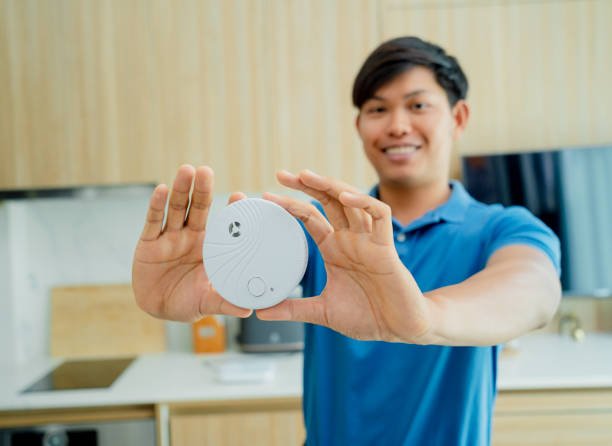
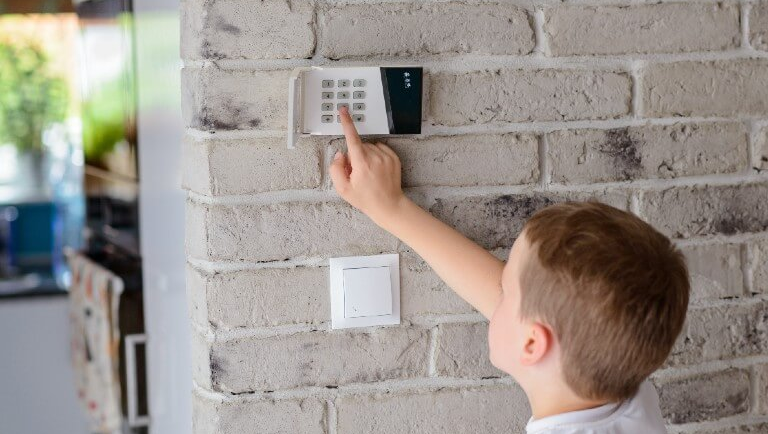
  • Why Wired Alarm Systems Are Still the Best Choice

    Why Wired Alarm Systems Are Still the Best Choice

    1. Introduction

    What Is a Wired Alarm System?

    A wired alarm system is one of the oldest security systems that fosters a connection of its sensors, control panel, and even alarms using physical wiring. Permanent interruption-free systems offer the protection needed in a manner that brings no operational interference as seen with some wireless systems.

    Why Are Wired Alarm Systems Still Relevant Today?

    Most people still use wired alarm systems even in this era of wireless technology because the former is more reliable and secure. Cost optimizations and uninterrupted work are offered in the given systems. In this article, we will discuss their advantages, and how they are installed and take a look at how they compare to wireless alternatives.

    2. How Wired Alarm Systems Work

    Core Components of a Wired Alarm System

    The following are the few constituents of wired alarm systems:

    • Control Panel: The hub of the system which manages all the connected devices.
    • Sensors: These detect motion or any other type of breached event such as s windows being broken or someone entering the preauthorized space.
    • Keypads: These enable the user to log in or out of the armed security feature.
    • Alarms: They are intended to help scare robbers by use of sound alerts.

    The Role of Wiring in Enhanced Security

    Wiring reduces the levels of communication that are able to interfere with the devices and further narrows down the chances of a component operating from the low battery which is the prowess of wired systems.

    3. Benefits of Wired Alarm Systems

    Benefits of Wired Alarm Systems

    Superior Reliability Compared to Wireless Systems

    As wired systems are hardwired into the house wiring, these systems are less prone to disruption and offer more dependable protection throughout the property.

    Long-Term Cost Efficiency

    The cost of installation may be huge, but the cost efficiency offered by systems in terms of maintenance is enticing in the long run.

    Reduced Vulnerability to Hacking

    Wireless systems are highly vulnerable to hacking, however, wired systems have no reliance on radio frequencies so they are secure by default.

    4. Types of Wired Alarm Systems

    Hardwired vs. Hybrid Alarm Systems

    • Hardwired systems: As the name suggests relies heavily on wires and are suitable for new buildings or buildings where rewiring has been performed.
    • Hybrid systems: These systems contain a mix of both wireless and wired systems which enhance flexibility and increase compatibility with devices.

    Integration with Modern Smart Home Systems

    There is a huge market for smart homeowners, and new wired systems can be connected to in-house technologies like Alexa, Google Home, and advanced surveillance cameras.

    5. Installation Process

    Professional Installation vs. DIY

    To make sure that the wired alarm systems are properly set up and aligned with the law, the majority of them will need the help of a professional. But for lovers of small projects, it is possible to build it yourself if you have some knowledge. Just plug in the wire yourself and voila, you’re done!

    Challenges in Retrofitting Older Homes

    Retrofitting older homes can be quite complicated and almost always involves extra boring or remodelling of the systems. These challenges further make it inaccessible without professional interference.

    6. Wired Alarm Systems vs. Wireless Alarm Systems

    Key Differences in Functionality

    One of the major issues when using wired systems is their inflexibility, this is which is opposite to wireless systems of alarms which are easy to install and flexible. This makes each useful for different situations and premises.

    Which One Is Right for Your Needs?

    Wiring systems should be used for larger sites or buildings with a strong emphasis on security. On the other hand, wireless systems come in handy when space and requirements aren’t too advanced or there is a temporary structure for which a wireless alarm system is appropriate.

    7. Compatibility with Other Systems

    Compatibility with Other Systems

    Integrating Wired Alarms with Video Surveillance

    Linking wireless alarm systems with surveillance cameras is one of the best ways to improve your security because it connects the systems together and also records the events happening or any abnormal activity around the building.

    Compatibility with Smart Assistants like Alexa and Google Home

    Many wired systems can connect with Android devices and Alexa to allow voice control and see activity with pouring soft application applications for added functionality.

    8. Maintenance Requirements

    Routine Testing and Inspection

    In a building with active wireless alarms, it’s important to inspect and disassemble sensors and alarms with control panels to guarantee full building surveillance.

    Troubleshooting Common Issues

    The such always get help: wiring damage and malfunctioning sensors minimising downtime ensure professionals’ resolution always are available.

    9. Cost Considerations

    Upfront Costs vs. Long-Term Savings

    Though the custom costs for the wired systems are greater for the installation cost, durability and lower maintenance have matched if not lower overall expenses.

    Hidden Costs of Maintenance

    Replacement of damaged wiring between rare breaks can be part of overall expenses, however, it is customary for them to not appear regularly.

    10. Security Advantages

    Why Wired Systems Are Preferred in High-Security Environments

    Wires prove the less threat on government buildings, banks and other areas that are prone to high-security breaches with the fact being the standard.

    Case Studies: Wired Alarm Success Stories

    Several businesses, and homeowners, have indicated that they are due to the immediate response time of the wired systems, as they extend unbroken time in dealing with some potential threats, that break-ins do not occur.

    11. Emerging Trends in Wired Alarm Systems

    Innovations in Wired Alarm Technology

    Advancements such as tamper-resistant wiring and smart integration options keep in step with the evolving demand for security which has created wired systems able to grow and evolve with the changing market.

    Predictions for the Future of Security Systems

    As the security requirements increase even further it is predicted that with time wired systems will use an increasing amount of IoT features which will further make them attractive to owners.

    12. Practical Applications

    Ideal Use Cases for Wired Alarm Systems

    Ideal Use Cases for Wired Alarm Systems

    The ideal use of a wired alarm system encompasses extensive considerations beginning from:

    • Large extensive areas need large-scale installation.
    • Building structures that are underway where such wiring may be done.
    • Facilities requiring extreme caution and secure systems.

    Wired Alarms in Commercial vs. Residential Properties

    Large buildings are fully convinced in deploying wired systems due to the ease of scaling up but in private households, they seem to be reliable and cheaper.

    13. Expert Insights

    Insights from Security Professionals

    “Wired systems are the gold standard for reliability,” says John Smith, a security consultant. “They’re ideal for anyone serious about long-term safety.”

    Quotes on Wired vs. Wireless Security

    “While wireless systems offer convenience, nothing beats the consistent performance of a well-installed wired system.”

    14. Potential Drawbacks

    Challenges with Scalability and Flexibility

    Involvement of larger amounts of wiring in a project adds new sensors or components in a wired system which becomes an issue.

    Dependence on Power Supply

    All wired systems need a wired power supply at all times but there is leakage which can be annoying but backup batteries usually take care of this.

    15. Conclusion

    Wired alarm systems are at the bedrock or the base of all reliable security systems for homes and even business endpoints. They possess electric shocks and cannot be hacked which makes them perfect idealistic options and add up even as wi-fi systems continue to evolve.

    In case you need a fitting instrument for securing your home, a wired security alarm system can be the perfect option for you.

    Take Action: Look into your options today and hire an expert to know what alarm system meets your requirements.

    FAQ’s

    [saswp_tiny_multiple_faq headline-0=”h3″ question-0=”1. What makes wired alarm systems more reliable than wireless ones?” answer-0=”Wired systems have a stable physical connection, making them less prone to interference, signal loss, or hacking attempts compared to wireless systems. ” image-0=”” headline-1=”h3″ question-1=”2. Are wired alarm systems difficult to install?” answer-1=”Installation can be complex and often requires professional expertise, especially in existing homes, as it involves running wires through walls. ” image-1=”” headline-2=”h3″ question-2=”3. Can wired alarm systems integrate with smart home devices?” answer-2=”Yes, modern wired alarm systems can connect with smart home platforms like Alexa or Google Home, offering remote control and automation features. ” image-2=”” headline-3=”h3″ question-3=”4. What happens during a power outage?” answer-3=”Most wired alarm systems come with battery backups to ensure continuous operation even during power failures. ” image-3=”” headline-4=”h3″ question-4=”5. Are wired alarm systems suitable for small homes or apartments?” answer-4=”While more common in larger properties, wired systems can also be installed in smaller spaces if long-term reliability is a priority.” image-4=”” count=”5″ html=”true”]

  • Wired Security Systems: Reliable Protection for Your Property

    Wired Security Systems: Reliable Protection for Your Property

    1. Introduction

    What Are Wired Security Systems?

    Hardwired Security systems connect cameras, sensors, and control panels using wires which enable the transmission of information between them. This type of alarm system is the most resilient among other options keeping in mind the protection of the households and safeguarding businesses as well globally.

    In this article we will cover almost everything that wired alarm systems are equipped with and include their advantages, hardware and unit installation, setting up, and security system upkeeping.

    2. Benefits of Wired Security Systems

    2.1 Reliability

    A key benefit of wired networks is the dependability of service. Because wired systems may use an interconnected cable to eliminate obstruction, they are demarked out from wireless intercom systems that are prone to signal and connectivity issues. So, they are a good network system for surveillance of your home and commercial properties.

    2.2 Privacy & Security

    People consider wired connections as less liable to hacking and are therefore much safer than wireless ones. They consider this technology an enhancement of wired security systems because of the low risk of signal interception.

    The transmission of data takes place through wired networks rather than radio frequencies so it is much more difficult for trespassers to render access or counter interfere with the system. Hence, this makes wired systems a perfect fitting for environments requiring strict security controls.

    2.3 Enhanced Performance

    In terms of speed and power, more often than not, wired systems modalities outpace their wireless counterparts. This is because the possibilities of disturbing factors are decreased thanks to direct connections made between the end device and the source whereby for example a switch is used.

    An example of this is, immediately an alarm or sensor signs that a person is moving, the wired system sends out signals without hesitation. And this allows for a quick reaction to be made in any unforeseen situation or emergency.

    3. Key Components of Wired Security Systems

    Wired Security Systems

    3.1 Control Panel

    Any security control panel works as a central processing unit. It takes input from the cameras and sensors, processes the input and issues output in the form of alarms and/or notifications based on the programmed logic. Such control panels can be linked to a mobile phone or a central monitoring service for real-time communication.

    3.2 Wired Sensors

    Wired security sensors or cameras are motion detectors that are used for capturing intruders. Such sensors include motion sensors, door/window contacts, and glass break detectors. They are wired directly to the control panel thus ensuring that communications are not distorted if an intrusion occurs.

    3.3 Cameras and Monitoring Equipment

    Cameras are essential for wired security systems as they serve the purpose of providing real-time clips or other recordings. Cameras with high-definition capabilities today have the propensity to be cabled to the system to target both the indoor and outdoor parts of a facility making it feasible to monitor any suspicious activity.

    3.4 Alarm Systems

    An alarm system assists the property owner and authorities in identifying a breakthrough response. It is easy to describe the performance of an alarm system in a few words. If we refer to the alarm system’s classification, a wired system can be considered among the most powerful as it can produce sound which is louder than any other wireless alarm system.

    4. How Wired Security Systems Work

    4.1 Wiring and Connectivity

    In a wired security system, sensors, cameras and alarms are interlinked through cables. Depending on the installation standards, these cables are designed to be embedded in walls or ceiling slabs, providing both protection and cosmetic appearance to the wires and devices used in the system.

    The wires remain connected to the central control room and send and receive signals in such a manner that the operator can communicate with the devices connected to the system.

    4.2 Communication between Devices

    In a typical scenario such as an intrusion, if some movement is detected or a door is opened, all the activity is transmitted through wiring to the central control where the alarm unit is located. All the information is directed for resolution, thanks to the control panel, which relays the information needed to place an alarm or send a notification to the property owner.

    5. Installing a Wired Security System

    5.1 Planning and Design

    Ineffective security planning such as installing a security system does a fever calculate placement While placing sensors, cameras, and alarms to ensure that as a whole they offer optimal coverage of the establishment, eager to eliminate blind spots. If in doubt either call a friend or call an installer to focus on the best areas to minimize blind spots.

    5.2 Tools and Equipment Needed

    To fix the system, you will need some accessories such as drills, screwdrivers, wire cutters and cable clips. Quality wiring and connectors also are a must to ensure all parts are well-joined.

    5.3 Step-by-Step Installation Process

    1. Sketch a diagram for the arrangement of each part.
    2. Veer the cables through the ceilings or the walls.
    3. Locate the sensors, cameras, and control panel at their respective positions.
    4. Link everything together by the control panel.
    5. Initiate a test of the system to make sure all devices are working properly.

    6. Maintenance of Wired Security Systems

    6.1 Regular Inspections

    For keeping your system in good order, timely regular inspections are a must. This will test the harshest conditions weathering if all the cables are strong and sensors and alarms are working fine.

    6.2 Replacing Components

    After several years of service, certain components may be consumed hence requiring changing. Regular service can help to prevent them by allowing us to replace defective parts which are most likely to lead to dangers in service.

    6.3 Troubleshooting Common Issues

    Difficulties with connectors are very familiar, the sensors can fail to detect or even the system can just stop working due to issues. You should be trained in how to fix these issues or utilize the services of a repairman.

    7. Comparing Wired vs. Wireless Security Systems

    7.1 Pros and Cons of Wired Systems

    • Pros:  Fast, secure, and reliable with minimal chances of hacking.
    • Cons: Heavy, Cumbersome Installation with low flexibility owing to wires.

    7.2 Pros and Cons of Wireless Systems

    • Pros: Simplified installation, relocation is possible, less invasive.
    • Cons: Limited to movement and signal degradation, may not be as secure.

    7.3 Which System is Better for You?

    There are no right or wrongs, it depends on the intention of the user. If security and reliability are your primary concerns, wired systems would be convenient. And for you to get more flexibility and easy installation, a wireless system would be more appropriate.

    8. Case Studies

    Wired Security Systems

    8.1 Residential Installations

    In residential areas, wired security systems serve as a source of reassurance to the homeowner, as they are confident that their properties are fully secured from break-ins and alarm activations during emergencies.

    8.2 Commercial Installations

    For shops or workplaces, wired security systems guarantee utmost security against theft, vandalism and workplace accidents. Many commercial setups join alarms, cameras and motion sensors to watch over every section of the premises.

    9. Expert Insights

    9.1 Industry Expert Opinions

    Security professionals often recommend wired systems for environments where stability and security are paramount. Many experts also predict that wired systems will remain essential, even as wireless technology continues to advance.

    9.2 Innovations in Wired Security

    Recent advancements in wiring technology have made wired systems even more efficient, with faster communication and longer-lasting components.

    10. Future of Wired Security Systems

    10.1 Integration with Smart Home Technology

    In the future, wired security systems will likely be able to communicate with other smart devices at home. Picture a scenario where the wired system links up with the smart thermostat, lighting devices and even the voice command devices that are available.

    10.2 Advances in Technology

    There will always be improvements in wired security systems due to the integration of technologies such as AI Cameras and Remote Cameras.

    11. Practical Applications

    11.1 Home Security

    A wired security system is a reliable method that can be used to protect one’s house as the system will monitor the house through the day and night and send alerts when onset occurs.

    11.2 Business Security

    Businesses using wired systems can deploy the said systems to look over doors and windows as well as monitor employees and various materials.

    11.3 Public and Industrial Security

    Wired systems can be used in public places to keep the perimeter in check, for the safety of employees in workplaces, and for taking care of valuables.

    12. Conclusion

    Their wired security systems have been around for quite a while and have proved to be effective, fast and reliable means of protecting different areas. No matter what the purpose of the wired system is, a residential area, a business, or an industrial area, a wired system guarantees peace of mind and protection from undesired situations.

    FAQ’s

    [saswp_tiny_multiple_faq headline-0=”h3″ question-0=”1. What are the main advantages of using wired security systems?” answer-0=”Wired security systems are highly reliable, secure, and have superior performance due to their uninterrupted connectivity. They are less prone to hacking and signal interference, making them ideal for environments requiring high-level security.” image-0=”” headline-1=”h3″ question-1=”2. Are wired security systems difficult to install?” answer-1=”Yes, wired security systems can be more challenging to install compared to wireless ones. The installation often requires running cables through walls or ceilings, which can be invasive and time-consuming. However, the effort is rewarded with long-term reliability.” image-1=”” headline-2=”h3″ question-2=”3. Can wired security systems integrate with smart home technology?” answer-2=”Yes, modern wired security systems can integrate with smart home technologies. They can be connected to devices like smart thermostats, lighting systems, and voice-controlled assistants for a seamless smart home experience.” image-2=”” headline-3=”h3″ question-3=”4. How often should wired security systems be maintained?” answer-3=”Regular inspections are recommended every six months to a year. Maintenance involves checking for cable wear, testing sensors and alarms, and replacing any faulty components to ensure the system functions optimally.” image-3=”” headline-4=”h3″ question-4=”5. How do wired systems compare to wireless systems?” answer-4=”Wired systems are more secure, reliable, and faster in transmitting signals. However, they are less flexible and more invasive to install. Wireless systems, on the other hand, are easier to install and relocate but can face signal degradation and higher susceptibility to hacking. The choice depends on your priorities, such as security versus ease of use.” image-4=”” count=”5″ html=”true”]

  • Lorex vs Reolink Security Cameras: Which One is Better for Your Home?

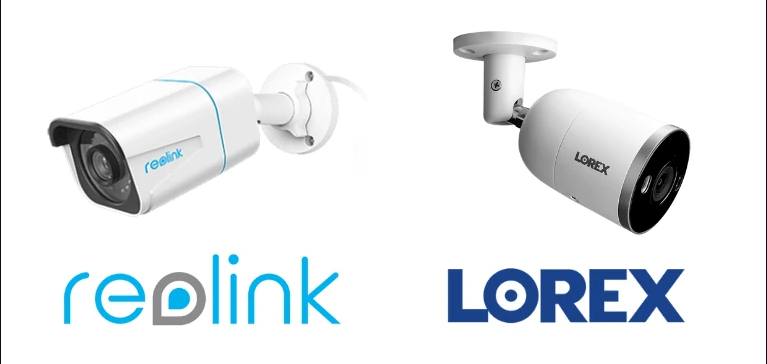
    Lorex vs Reolink Security Cameras: Which One is Better for Your Home?

    1. Introduction

    To ensure your property’s safety, investing in a good security camera system, such as a good Lorex or Reolink security camera is almost mandatory. In the following article, we will explore what makes these companies competitive and what each has in store for its customers as they have technologically evolved over the years.

    2. Why Security Cameras Matter

    From what seems like a distant past, security cameras are now a norm in the home. They not only serve to protect the home and monitor the surrounding area but act as a remoter deterrent to criminal activities, from package deliveries to pets wants to be. Investing in a good camera system is essentially an insurance policy for your property.

    3. Lorex Security Cameras Overview

    We live in a world where security cameras are ubiquitous and local businesses and homeowners rely heavily on them so the demand for high-quality equipment is always present Lorex ensures to provide their consumers with a comprehensive surveillance system to ensure their needs are met.

    With advanced technology, Lightforge has affordable yet reliable options for everything from 1080p to 4k security cameras, giving clients peace of mind. Moreover, consumers also get features like motion sensors and app-based camera management.

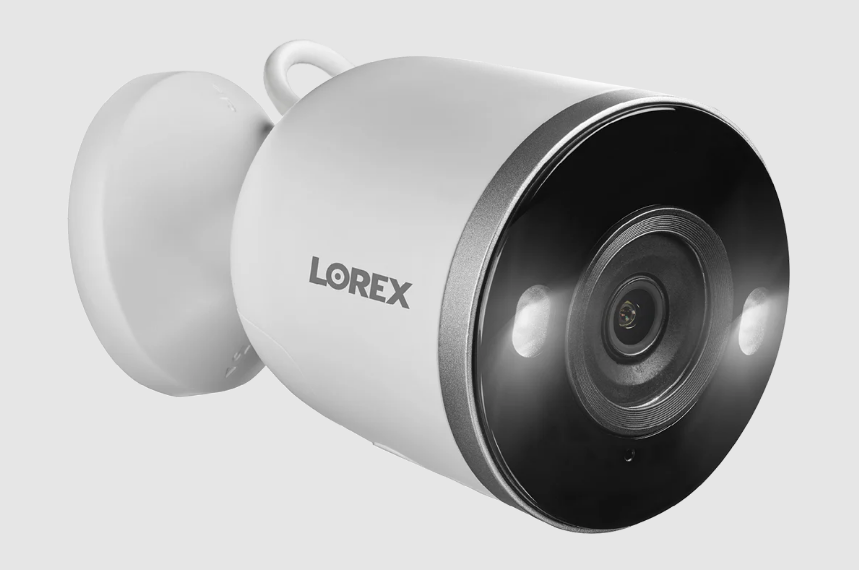
    Lorex Security Camera

    Features of Lorex Cameras:

    • High-definition video: Cameras of Lorex have a high-resolution capacity, including 4 K.
    • Night Vision: A high-end infrared B/And technology captures video even in total darkness.
    • Mobile Integration: Simple app that enables live streaming and broadcasting.
    • Weather-resistant design: Ideal for both outdoor and indoor use.

    4. Reolink Security Cameras Overview

    Reolink has rapidly become well-known in the home security industry. Reolink is popular for the coming of cheap Do It Yourself security cameras that are efficient and easy to use. They also provide twenty-four-hour camera resolutions with ultra HD quality, including 4K, so that all angles are clear.

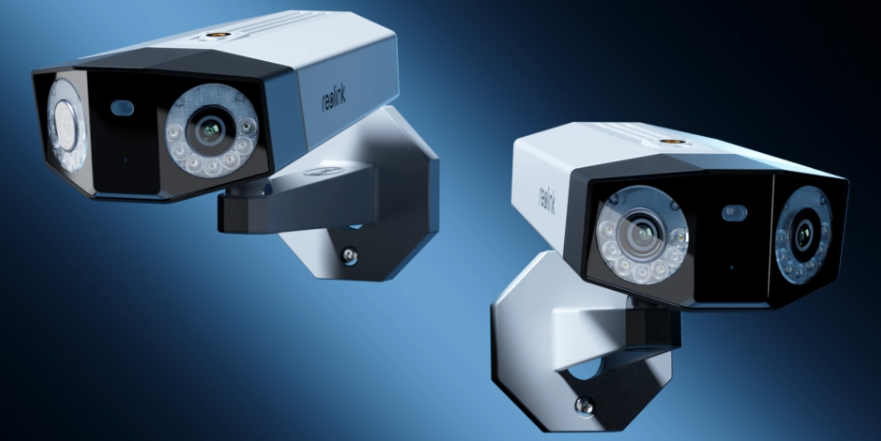
    Reolink Security Camera

    Features of Reolink Cameras:

    • Ultra HD video quality: Many models come with 4K video capability.
    • Long-lasting battery life: Perfect for houses that would not allow active wiring.
    • Wide-angle lens: Wide-angled lens aids in covering larger areas.
    • Flexible storage options: Support for local SD cards and cloud storage services.

    5. Comparison of Features: Lorex vs Reolink

    Design and Build Quality

    Lorex and Reolink have been designed to be robust, though the build of the products by Lorex will be far more professional and, hence, comparatively heavier. In contrast, Oeolin does offer weight optimized easy-to-install models of some of their systems that are strong enough without being too heavy.

    6. Video Quality: Which Brand Offers More?

    Regarding the quality of their outputs, both brands have great products, but there are their strong suits. In terms of superior video quality, Lorex comes out on top due to its 4K Ultra HD capabilities that provide flawless night vision. On the other hand, Reolink has proved to be economically convenient as its 4K models have similar features at a more moderate rate.

    7. Smart Home Compatibility

    Both brands support integration with Amazon Alexa, Google Assistant, and other systems. That makes it easy to control your security system with voice control or a smart home hub.

    8. Ease of Installation and Setup

    Reolink’s wireless models are particularly fast to set up, and while both brands offer a DIY option, Reolink is frequently praised for the ease of setup. Lorex systems, on the other hand, have countless advantages but are time-consuming to install, especially when connecting wired systems.

    9. Cost Analysis: Lorex vs Reolink

    These two brands are often chosen due to the price, which is invariably the reason for the choice. ECO PV-60 cameras are normally the lowest priced and are deficient in features compared to Lorex systems, which are significantly more costly but contain higher-grade options and better systems. Reolink, on the other hand, is the most economical option but lacks some features, such as 4K resolution and cloud storage.

    10. Durability and Weather Resistance

    Both brands contain options that are resistant to weather elements, so if you want to install cameras outside, they will work. Usually, the upper age of Lorex cameras does a good job of protecting against extreme weather and Reolink cameras are good for mild to moderate temperatures. Still, some expensive Reolink cameras can withstand harsher environments.

    11. Cloud Storage and Local Storage Options

    Lorex has the options for cloud storage of data sets as well as local hardware storage, depending on the situation this gives more versatility. Nonetheless, Reolink could be costing you less in local storage alternatives (SD cards) with that said, Lorex can be more costly in cloud storage.

    Cloud Storage and Local Storage

    12. Security and Privacy Features

    To ensure that your clips are not compromised, Lorex and Reolink focus on encrypting your footage and setting privacy features. That said, it is important to note that Lorex users who are sensitive to privacy benefit more as Lorex seems to deliver better encryption features.

    13. Customer Support and Warranty

    Both companies provide decent customer support; however, it seems that Lorex has outstanding customer support as they provide professional installation services alongside extended warranty options. Contacting Reolink’s support team is highly recommended due to their responsiveness; however, don’t expect extended warranty options.

    14. Expert Insights on Security Camera Trends

    As technology advances, both Lorex and Reolink are constantly evolving to meet users’ needs. Experts predict that the next big thing in security cameras will be the integration of AI and smart alerts, which both brands are already incorporating into some of their models.

    15. Practical Applications for Home Security

    These security cameras can change the way you protect your home. Lorex and Reolink cameras could range from covering the driveway to watching toddlers or elderly members of the family, being of great help to the entire family.

    16. Is Reolink Better Than Lorex? A Comparative Analysis

    When it comes to choosing between Lorex and Reolink, it often comes down to personal preferences and specific needs. Reolink offers a more budget-friendly solution with easy DIY installation and decent quality, especially for those who don’t want to deal with complex setups. On the other hand, Lorex shines regarding professional-grade features like superior video quality, better night vision, and robust durability for extreme weather conditions.

    If you’re looking for a simple and cost-effective solution, Reolink might be the better choice. However, if you prioritize higher resolution, advanced security features, and a more professional surveillance experience, Lorex would be the ideal brand to consider. Ultimately, the decision between Reolink and Lorex boils down to your specific requirements: budget, video quality, or installation preferences.

    17. Future Outlook of Home Security Systems

    The features expected to grace home security devices shortly are AI capabilities, improved compatibility with smart home devices, and cloud storage components to hold the data securely. Both brands are leading the charge for a more trendier and safer future of home security systems.

    18. Conclusion

    For someone wanting a security system rich in professional specification and the best possible video quality, Lorex is the best option. At the same time, Reolink provides a very simple-to-use camera for consumers at a low price and without sacrificing quality. Opt for whichever of the two brands appeals to your application, budget, and installation method you prefer.

    FAQ’s

    [saswp_tiny_multiple_faq headline-0=”h3″ question-0=”1. Which brand is better for DIY installation: Lorex or Reolink?” answer-0=”Reolink is better for DIY installation, especially its wireless models, which are easy to set up without professional help. Lorex, while offering excellent features, can be more time-consuming to install, particularly for wired systems.” image-0=”” headline-1=”h3″ question-1=”2. Are Lorex cameras more durable than Reolink cameras?” answer-1=”Lorex cameras are generally more durable and better suited for extreme weather conditions. Reolink cameras perform well in mild to moderate climates, but some of their high-end models can also withstand harsher environments.” image-1=”” headline-2=”h3″ question-2=”3. Which brand offers better night vision capabilities?” answer-2=”Lorex stands out for its superior night vision capabilities, utilizing advanced infrared technology to capture high-quality footage even in complete darkness. Reolink also offers night vision but might not match Lorex’s level of clarity in certain models. ” image-2=”” headline-3=”h3″ question-3=”4. Is cloud storage available for both Lorex and Reolink cameras?” answer-3=”Yes, both brands offer cloud storage options. Lorex typically integrates cloud storage with local storage for added versatility, while Reolink focuses on more economical local storage options, such as SD cards, alongside its cloud services.” image-3=”” headline-4=”h3″ question-4=”5. Which brand offers better customer support and warranty options?” answer-4=”Lorex provides excellent customer support with professional installation services and extended warranty options. Reolink offers responsive customer support but does not include extended warranty options like Lorex.” image-4=”” count=”5″ html=”true”]

  • Best No-Monthly-Fee Home Security Systems

    Best No-Monthly-Fee Home Security Systems

    1. Introduction

    With replaceable batteries, hardwired systems, and installation fees, the market nowadays is driven to provide cost-effective solutions that come with no subscriptions, implementation fees, or hidden monthly fees. PCP is a perfect example of how no-monthly-fee business models can cover opportunities in both the high and low-income segments.

    Homeowners today are much more cognizant of the different systems available in the market that allow them to secure their assets without incurring a monthly charge while also saving them money. For those interested in exploration, many firms have removed the need for monthly charges allowing the user to freely tour their home by simply installing cameras or even alarms.

    2. What Are No-Monthly-Fee Home Security Systems?

    Definition and Types

    Also known as subscription-based systems, these are security devices that allow for self-monitoring and are equipped with cameras, sensors and even motion devices. The absence of these systems allows users to transfer the complex task of monitoring to security professionals which costs money, hence the absence of that money and features describes the no monthly fee home security monitoring devices.

    How Do They Differ From Traditional Systems?

    In most cases, traditional home security systems come with wire and professional services that come with a subscription model and fee designed to create a consistent profit. On the other end, it is devoid of subscriptions and rather focuses on enhancing the essential features as well as the customer’s area of concern. You may still pay for equipment upfront, but the savings over time can be substantial.

    3. Top Benefits of No-Monthly-Fee Security Systems

    No-Monthly-Fee Security Systems

    Cost Savings

    With no payment system in play and equipment like a security camera, it is always easier to monitor expenses whilst using a subscription a traditional approach and system does charge some fee but savings are clear, anywhere from hundreds or thousands of dollars over time. A traditional model can also be beneficial on certain occasions where closer to 20 to 60 get charged as a payment fee monthly.

    Flexibility and Control

    If there has been a plan of taking a vacation or there is just monitoring that needs to be done whilst being home or at work it is possible to do so without any added restrictions; hence having the option for a change or an upgrade is necessary rather than being forcibly tied to long agreements or contracts.

    Easy Installation and Maintenance

    There is a misconception in the market that new systems whether it be newer windows commercial or older ones need professional installation and have a monthly fee. This is not the case as most of these systems are very easy to set up for anyone willing to do so and have little maintenance needs which cuts back on time and prevents any frustration. For quite some clients it is bothersome as it requires expenses to be incurred for a professional to set this up.

    4. Key Features to Look For in a No-Monthly-Fee System

    Motion Detectors

    Take a look at systems that have good motion detection as it notifies you of any unusual activities. These assist in stopping theft by providing you with immediate notifications if someone enters the house.

    Cameras and Video Surveillance

    For the purpose of securing your house, cameras are quite beneficial. Some solutions come with HD camera systems that include night vision, letting you keep an eye on your home no matter the hour.

    Smart Home Integration

    Numerous devices and appliances like smart bulbs, locks or thermostats can now be built into no-monthly-fee systems because they support smart integration.

    User-Friendly Interfaces

    A portable and non-technical interface should be included to control the security system effectively and hassle-free. Make sure the system includes an app or a dashboard to allow you to watch the live feed, send alerts, and change configuration settings from mobile phones and computers.

    5. Best No-Monthly-Fee Home Security Systems for 2025

    Detailed Review of Top Systems

    In terms of security solutions without a monthly charge, cohesive brands have come to the fore. Reasonably priced and incredibly straightforward to implement, these systems appeal to those who do not wish to pay maintenance expenses.

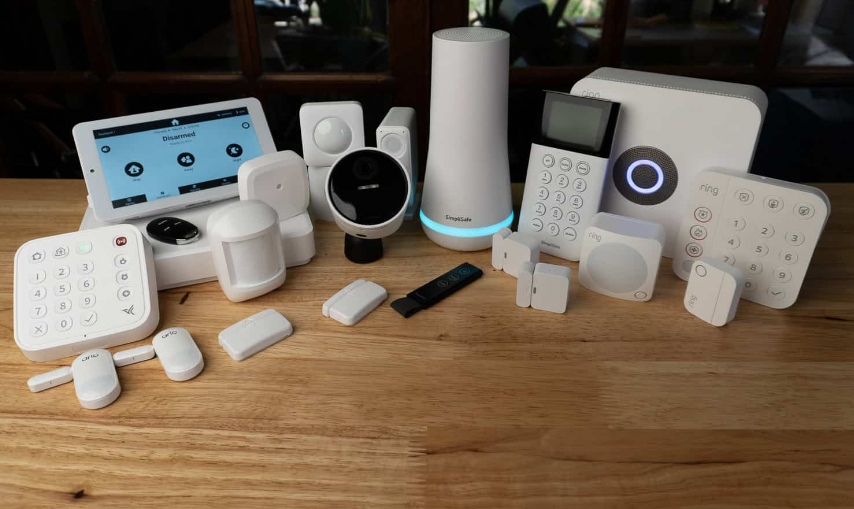
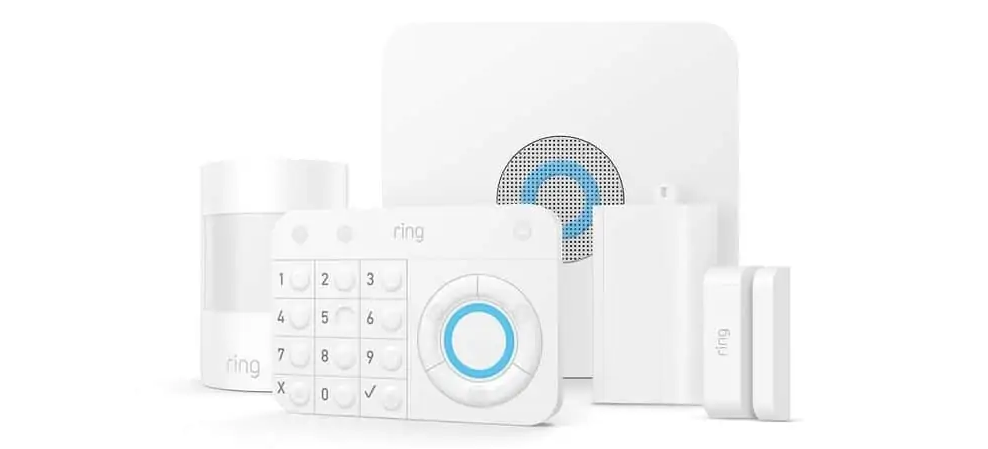
    1. Ring Alarm Security Kit (2025)
      • Features: Also allows the integration of auxiliary cameras, and mobile applications, the additional cost of third-party monitoring services is optional.
      • Price: From $199.99 and up.
      • Why it’s great: If you regularly purchase Ring devices, you don’t have to pay for the devices. If they have a quiet life cycle, the ring alarm devices don’t require constant monitoring interaction.
    2. SimpliSafe No Monthly Fee System
      • Features: Pay-as-you-go expansion options, cross-platform support for HomeKit, Google Home, and Alexa.
      • Price: Starting at $229.99.
      • Why it’s great: Offers a smart way of self-monitoring and easy-to-install and set-up devices without compromising on security features.
    3. Abode iota Security Kit
      • Features: Surveillance cameras optional feature, mobile application, not necessary to commit to contract babysitting, and voice assistant compatibility.
      • Price: From 279.99$ upwards.
      • Why it’s great: No need to fork out subscription fees, for an additional payment, Abode will ensure peace of mind while you go about doing your daily tasks, skimming through their optimal bundles.

    Pricing Breakdown and Comparison

    System Price (Starting) Monitoring Fee Features
    Ring Alarm $199.99 No fee for self-monitoring Cameras, motion sensors, door/window sensors
    SimpliSafe $229.99 Optional $14.99/month Voice assistant integration, easy DIY setup
    Abode $279.99 No fee for self-monitoring Integration with smart home devices, app control

    6. How to Choose the Right No-Monthly-Fee System for Your Home

    How to Choose the Right No-Monthly-Fee System for Your Home

    Considerations for Different Home Sizes

    The cost of installing a no-month system ranges depending on the type of house one is living. Bigger houses, which have more than three-bedroom family structures will need an additional camera or sensor to cover all entry points. Whereas a small house can reasonably settle for a basic setup.

    Customization Options

    Opt for systems which enable customization of your setup. If you wish to put some more cameras and smart sensors in future then it is important to have an option to them in your system.

    7. Installation and Setup Guide

    Step-by-Step Process

    Most people will find setting up a no-monthly-fee system easy, quick and simple. Normally, one would start with the central hub or base station followed by sensors including cameras being placed at appropriate points throughout the house. The ready-made system will guide you through the entire set-up with either an app or a manual.

    Professional vs DIY Installation

    Although a DIY installation is of minimal cost compared to the former option, there might be a chance that certain individuals want to get the system installed professionally. However, most of the systems that don’t require any monthly fees are built in such a manner, that they do not need any help, and hence can be set up easily by the owners themselves.

    8. Monitoring Options Without Monthly Fees

    Self-Monitoring Methods

    Rather than paying anyone for surveillance, you can opt to set up the system in such a way that automatic alerts are sent to your mobile or email. This is the most effective self-monitoring method and is the default for most no-monthly fee systems. This option is both adaptable and gives total control over your alerts.

    Third-Party Monitoring Services with No Monthly Fee

    Certain systems include a provision to use third-party providers to monitor the activities supposedly at a low payment or one-time fee hence avoiding the hassle of remembering to make the monthly payment.

    9. Common Misconceptions About No-Monthly-Fee Security Systems

    Security Level and Reliability

    Many people tend to believe that anything that does not require a monthly fee is not secure. The reality is that this is not the case since it is also a common fact that a lot of this software comes with good-quality cameras, motion detectors and alerts. Such technology is just as effective as traditional systems. However, more often than not, you will need to do more monitoring yourself.

    Hidden Costs

    Bearing in mind that individuals who prefer to save costs by using a one-time fee revolving monthly no-fee system might still have to incur certain expenditures like sensors, cameras, etc.

    10. Future of No-Monthly-Fee Home Security Systems

    Future of No-Monthly-Fee Home Security Systems

    Trends in Security Tech for 2025 and Beyond

    With the ever-changing technology, there has also been an increase in advanced features like cameras with AI, motion sensors with face recognition, and advanced capabilities with smart home technology.

    Potential Advancements

    There can be other improvements such as integration with smart home systems, a wider range of inexpensive smart security devices, and even monitoring systems with more advanced AI for better identification.

    11. Expert Insights on Home Security

    “Home security is moving towards more personalized, flexible options,” says John Matthews, a security consultant. “No-monthly-fee systems provide homeowners with a way to take control of their security while avoiding long-term commitments.”

    12. Conclusion

    Homeowners wishing to save money and are okay with sacrificing some level of security should strongly consider no-monthly-fee home security systems. Considering their versatility, easy installation and dependable security technologies, these systems are expected to gain even wider market acceptance in 2025. For persons who are ready to enhance their home security, adopting a no-monthly fee system seems to be an ideal option.

    FAQ’s

    [saswp_tiny_multiple_faq headline-0=”h3″ question-0=”1. Are no-monthly-fee home security systems reliable for self-monitoring?” answer-0=”Yes, these systems are designed with high-quality cameras, motion sensors, and mobile apps that allow homeowners to monitor their properties effectively. While they don’t include professional monitoring, they provide alerts and notifications to ensure prompt action when needed. ” image-0=”” headline-1=”h3″ question-1=”2. What are the hidden costs associated with no-monthly-fee systems?” answer-1=”Although these systems eliminate subscription fees, you may still incur costs for equipment like additional cameras, sensors, or cloud storage for video footage. Always review the fine print to avoid unexpected expenses. ” image-1=”” headline-2=”h3″ question-2=”3. Do these systems support smart home integration?” answer-2=”Many no-monthly-fee systems, such as SimpliSafe and Abode, support integration with smart home devices like Alexa, Google Home, or smart locks, enhancing your home’s overall automation and security. ” image-2=”” headline-3=”h3″ question-3=”4. Can I install a no-monthly-fee system on my own?” answer-3=”Yes, most no-monthly-fee systems are designed for easy DIY installation. They include detailed instructions and often an accompanying app to guide users step-by-step. Professional installation is usually optional. ” image-3=”” headline-4=”h3″ question-4=”5. What is the difference between self-monitoring and third-party monitoring in these systems?” answer-4=”Self-monitoring allows homeowners to receive alerts directly and manage security via mobile apps or dashboards. Third-party monitoring, available for some systems at a one-time or reduced fee, involves outsourcing the monitoring to security professionals for added assurance without recurring costs.” image-4=”” count=”5″ html=”true”]
  • Best Cellular Security Systems for 2025

    Best Cellular Security Systems for 2025

    1. Introduction

    In an era when the security of life and assets is of great importance, cellular security systems are changing the narrative of how homes and businesses are protected. With the advancement of smart technologies, these systems are much more dependable, adjustable, and efficient ways of safeguarding properties. As we near 2025, knowing the available options and what makes cellular security unique is crucial.

    This article will cover the most appealing aspects of the cellular security systems for 2025 which will include their fundamental characteristics, the best selections for both business and residential security, and additional insights on how to pick out a cellular security system of your preference effectively.

    2. Understanding Cellular Security Systems

    What Are Cellular Security Systems?

    Cellular security systems are systems that operate using mobile networks, for instance, 4G or 5G, to link up with monitoring centres instead of using broadband and landline connections. These systems are capable of sending alerts, video surveillance, and linking security cameras and devices that can be controlled from a mobile phone.

    Without the use of wired connections, those cellular security systems are very flexible and reliable, which makes them suitable for residential and business purposes.

    3. How Cellular Security Systems Work

    How Cellular Security Systems Work

    Key Features and Technology Behind Cellular Security

    Features they all possess are:

    • Mobile App Access: Control your security/surveillance system on the go and from anywhere through your mobile app, including receiving alerts and viewing the cameras.
    • Video Surveillance: Get HD cameras fixed at vantage locations and watch everything in real-time irrespective of your geographical location.
    • Motion Detectors and Sensors: Whenever peculiar movement, intrusion, or tampering occurs these detectors along with sensors will detect and notify you.
    • Two-Way Audio: With the intercoms installed within the premises visitors can easily converse with the ones inside the buildings via the security system.
    • Smart Integration: These involve connecting other smart devices such as locks, lights, and thermostats with the already activated security system.

    Cellular systems employ sophisticated wireless technologies which provide the systems with high-speed and stable connectivity without the use of wires.

    4. Why Cellular Security is a Smart Choice for 2025

    Advantages Of Traditional Security Systems

    The following are the benefits that using a wireless system has over a wire-line system with a configuration that has required components:

    • No Vulnerable Wires: Cellular systems do not operate on telephone lines or cables so the interference or severing aspects are minimized.
    • Remote Control: The system can be controlled and monitored from any part of the world using a smartphone meaning that the property in question can be monitored at all times.
    • Scalability: Additional cameras, sensors, or smart devices can easily be integrated into these systems to increase capacity.
    • Better Reliability: Due to the constant upgrades and an emergency battery backup, network systems tend to be more efficient in case of a power cut or any other disturbances.

    5. Top Trends in Cellular Security Systems

    AI Integration, Mobile Apps, and More

    With the development of technology, cellular security systems have ready themselves with numerous interesting trends as follows:

    • Artificial Intelligence (AI): Cameras are now capable but only to a certain extent of recognizing a human from an animal, making false alarms and the chances of a notification being misplaced rather low.
    • Mobile App Enhancements: There is a mobile app for everything these days, and they are becoming quite adaptive, for instance, they can store video recordings on the cloud or interface with voice assistants like Alexa or Google.
    • Energy Efficiency: Newer models consume less energy making more “green” without any lag in performance.

    6. Best Cellular Security Systems in 2025

    Overview of the Leading Brands

    In the year 2025, some of the well-regarded cellular security systems are as follows:

    1. Vivint: Most customers recognize Vivint as a supplier of complete security units, they additionally provide smart home systems and cellular security services.
    2. ADT: The company name ADT is synonymous with cellular systems that provide reliable security, with sophisticated monitoring options.
    3. SimpliSafe: This company offers cheap and affordable solutions that are tailored specifically to fit the consumer’s security needs be it at home or the office.
    4. Ring Alarm: Famous for its video doorbells, Ring has a high cellular security system with a mobile application control as well.

    7. Feature Comparison

    Comparing Key Features of Top Systems

    Feature Vivint ADT SimpliSafe Ring Alarm
    Mobile App Access Yes Yes Yes Yes
    Video Surveillance Yes Yes Yes Yes
    AI Features Yes No No No
    Smart Integration Yes Yes Yes Yes
    Two-Way Audio Yes Yes Yes Yes

    8. Best Cellular Security Systems for Home Use

    Best Cellular Security Systems for Home Use

    Tailored Solutions for Homeowners

    Cellular security systems enable homeowners to feel safe while away from their property, by allowing them to receive notifications, and even change their systems remotely. Systems like Vivint and SimpliSafe are good for families as they can provide cameras, doorbells, and sensors which can be done without professional installation.

    9. Best Cellular Security Systems for Businesses

    Options for Commercial Security

    Cellular security is crucial for businesses in safeguarding their assets, stock, and staff. ADT and Vivint develop advanced security systems that are backed with real-time monitoring, widespread installation and the ability to connect with business alarm systems.

    10. How to Choose the Right Cellular Security System

    Factors to Consider Before Making a Decision

    While selecting a cellular security system, it is important to take these factors into account:

    • Security Needs: Explain how many sensors, cameras, or devices will you have to deploy.
    • Budget: Certain packages are less costly, as they offer broad surveillance, whereas expensive packages come with advanced features.
    • Support and Monitoring: If you want to avoid the hassle of managing alerts yourself, you can select a system with a professional monitor service.

    11. Installation and Setup

    How Easy Is It to Set Up a Cellular Security System?

    A majority of cellular security systems are made to be installed by the end users with minimal or no professional assistance, especially the systems provided by companies like SimpliSafe and Ring Alarm, which come with installation guides and simple installation. However, in Vivian’s case where they are more sophisticated, they may require professional application of the systems.

    12. Cost of Cellular Security Systems

    Understanding the Price Range and Value

    A cellular security system could cost between two hundred dollars for home systems to two thousand dollars and above for advanced business-type systems. The price would also be stated with equipment, installation and even monthly subscriptions.

    13. Expert Insights on Cellular Security in 2025

    Expert Insights on Cellular Security in 2025

    Predictions and Professional Opinions

    Experts predict that AI will continue to play a crucial role in enhancing security systems, helping reduce false alarms, and providing more intelligent surveillance. John Doe, a security industry expert, notes, “The future of security lies in integrating AI and automation to provide faster response times and better protection.”

    14. Future of Cellular Security Systems

    Emerging Technologies and Innovations

    Experts predict the emergence of new technologies mostly aimed at biometrics and video surveillance in the cloud. “This will increase security, penetrability and usability”.

    15. Practical Applications of Cellular Security Systems

    Real-Life Case Studies and Use Cases

    A small company based in New York City recently installed mobile cameras and motion sensors provided by Vivint to combat theft and reduce the number of burglaries in their commercial spaces, an example of which mobile security today it possible to protect businesses.

    16. Common Issues with Cellular Security Systems

    Troubleshooting and Maintenance Tips

    Many users complain of having low signals when outside urban centres and the occasional lost connection between the mobile app and the device. Updates and repairs must be done regularly to maintain the operation of your device.

    17. Conclusion

    Cellular security systems are expected to remain a secure, adaptable, and sophisticated method of safeguarding your residence or business by the year 2025. If you prefer a simple and easy-to-do-it-yourself system, or a fully equipped system that is prepared by experts, then the choices of today will give you value to worry less about things happening to your property.

    FAQs

    [saswp_tiny_multiple_faq headline-0=”h3″ question-0=”Can I install a cellular security system myself?” answer-0=”Yes, many systems are DIY-friendly, with clear instructions for setup.” image-0=”” headline-1=”h3″ question-1=”Do cellular security systems work without Wi-Fi?” answer-1=”Yes, cellular systems rely on mobile networks, so Wi-Fi is not required.” image-1=”” count=”2″ html=”true”]

  • How to Protect Your Child’s Laptop from Physical Damage

    How to Protect Your Child’s Laptop from Physical Damage

    1. Introduction

    In today’s digital era, children require laptops for their studies, entertainment, and creative pursuits. However, the concern for parents lies in how to protect your child’s laptop from physical damage caused by drops, spills, or abrasions. Laptops are delicate devices that can suffer external and internal damage, making repairs costly and time-consuming. This article provides practical tips and proven solutions to ensure your child’s laptop remains safe, functional, and durable for years to come.

    2. Understanding the Importance of Protection

    Laptops are prone to damage and once a laptop is physically hurt, getting it repaired would be expensive and time-consuming. Children or even adults who are new to using laptops and do not understand how to take care of them are at an increased risk of dropping the laptop accidentally or spilling liquid on it or other accidents. When people are aware of what can occur if not taken care of, they can save repairs and get a new one.

    Why Physical Protection Matters

    Every Laptop comprises several delicate parts such as the Screen, keyboard, and internal hardware – which are easily hurt by chips or pressure. Taking simple precautionary measures to protect these pieces can enable the device to last longer and you will be able to recuperate your investments in the long run.

    Risks of Physical Damage

    Physical damage is not exclusive to external damage from a cracked screen and bent frame, as it can range to internal damage such as a malfunctioning hard drive or short-circuited motherboard. Such risks, however, increase as children are known to use their laptops in a variety of places, some include sitting at a school desk while others prefer their beds – both of which increase the chances of physical damage.

    3. Choosing the Right Laptop for Your Child

    Laptop for Child

    When choosing a laptop for any child, one must place a heavy emphasis on whether or not the selected device is rugged and will last a plethora of years. Choosing a model that can withstand the harshness of daily use, will reduce the rate of repairs that will be required over time.

    Considerations When Purchasing

    Keep an eye out for laptops that come with reinforced bodies, shockproof frames and keyboards that do not result in a short circuit during an accidental spill. Moreover, a lightweight model makes operating the device safer as bulky ones tend to result in accidents.

    Durability Factors

    Some brands are known for producing laptops with much greater durability than their competition. Looking at reviews and product specifications makes sense. Another consideration that would help determine your choice would be the child’s age, older ones need advanced models while younger ones require much simpler and tougher designs.

    4. Laptop Cases and Sleeves: Essential Protection

    Purchasing such a slim laptop should be complemented by getting a high-quality case. These are terrific in helping to protect the computer since it is frail and can get damaged quite easily.

    Importance of Good Quality Cases

    Good quality laptop cases assist in averting thefts and also expertly handle the laptop. For improved protection, opt for cases that are made from neoprene or hard plastic materials.

    Material Options

    If your child wants a case with extra compartments then you might want to take note of the weight of the case or if it is water-resistant in case of a spill. Soft sleeves are gentle but do not provide adequate protection, while hard cases will safeguard the laptop better.

    5. Keyboard and Screen Protection

    These are the two most inefficient parts of the laptop, but these too can be covered by specially designed add-ons.

    Keyboard Covers

    These are soft, flexible layers that sit over just the keyboard which prevents marring as dust, crumbs or a liquid may get spilt onto the keyboard. So many benefits for such a small price it is recommendable to oneself or a friend!

    Screen Protectors

    Installing a screen protector reduces the risk of scratches and smudges on the laptop. It tends to enhance the visual aesthetic appeal of the device along with shielding the screen from the abrasions of minor impacts. It does not provide an absolute shield but helps prevent the screen from further loss of clarity because no glares or scratches are seen on the screen because it is covered.

    6. Investing in Laptop Stands

    People generally tend to purchase laptop stands to maintain an ideal workflow and functioning system. They can aid in avoiding physical harm as well.

    Laptop Stand

    How Laptop Stands Can Prevent Physical Damage

    For the laptops to function effectively, they need to be clean. Laptop stands enhance airflow around the device allowing the laptop to not overheat increasing the lifespan of the sensitive internal hardware of the laptop. Moreover, it is the ideal solution to combine height and posture ergonomics with the protection of the device.

    7. Using Anti-Slip Pads or Mats

    In order to enhance safety around the laptop, anti-slip pads and mats should be used on them. It only increases the chances of a lower risk when the device is accidentally dropped.

    Why Non-Slip Mats Are Essential

    Non-slip mats need to be used for every device to prevent rough movement and maintain peace of mind. It is an elegant and cost-effective solution to increasing stability and protection around a laptop.

    8. Safe Storage and Handling Practices

    A delicate balance can help ensure the child’s laptop remains undamaged while being in the child’s possession.

    Proper Storage

    Keep the laptop out of reach when it’s not in use. Keep it on a sturdy table or within a safe perimeter to prevent it from being knocked over or dropped.

    Handling Techniques

    Explain to him or her about shifting the laptop from one place to the other, and explain that sliding it into a bag or sleeve will do the job perfectly.

    9. Teaching Your Child Proper Laptop Care

    One of the effective ways to ensure that the child’s laptop is avoided from being damaged is by explaining the right usage and care techniques to them. Instilling good habits in the young can go a long way in avoiding mishaps and cutting down the lifespan of the device.

    Educational Tips for Your Child

    Focus on teaching the child to keep the laptop on a firm base and not to let any food or drinks come at a close range. For example, the child should be educated about not lying down while using the laptop in a bed so that it doesn’t fall to the ground from such low places.

    Teaching Responsibility

    Let your child have a sense of ownership for his laptop by encouraging him to carry it appropriately, keep it clean and observe safety. The more they care about the machine, the less chances they have to be careless.

    10. Portable Laptop Storage Solutions

    Laptop on-the-go storage alternatives can provide an extra margin of safety whenever your child is away from home say at school, trip or even to a friend’s house.

    Benefits of Portable Storage

    Buying an excellent laptop bag which has pockets with cushion supports is one way of protecting your little one’s machine. The cushions help to protect it from knocks and falls during transportation and, various pockets will keep the chargers, other gadgets and papers without scratching the laptop itself.

    11. Keeping the Laptop Clean to Avoid Damage

    Dirt, dust and even crumbs can to an extent render a problem to the keyboard and the ports after some time so it is very important to ensure that your child’s laptop is free from the above to increase its span.

    Keeping the Laptop Clean

    Cleaning Tips to Avoid Damaging Sensitive Parts

    • Caring of the screen and keyboard Such parts can be cleaned with microfiber cloths.
    • In order to avoid dust suffocation the ports should be cleaned from time to time with soft bristle brush or compressed air.
    • Instead, apply wipes or solutions that are safe for electronics and do not include abrasive components.

    Cleaning has an added benefit in that it increases the usability of the laptop while simultaneously minimizing the chances of any even microscopic debris harming the extremely sensitive parts of the computer.

    12. Protecting Ports and Connectors

    Laptops have numerous connectors and ports that are delicate and can be damaged easily with extreme force while connecting or removing cables. It is important to apply proper measures towards the protection of these areas as damage to these parts can have adverse implications on the functioning of the laptop.

    How to Avoid Damaging Ports

    Get port covers for USB, HDMI or charging ports so that these might not get clogged or damaged. Do ensure that you have discussions with your son on how the cables and connectors should be used and that ports have a limit in terms of the number of devices connected to them.

    13. Preventing Overheating

    Overheating is a common complaint of most laptop users, especially if the laptop is used without a break for longer periods. And if overheating persists it can lead to internal issues like battery failure or a damaged hard disk.

    The Importance of Cooling and Vent Protection

    Make sure that your kid places the notebook on a hard and flat surface so that there is ventilation. Further, the use of cooling pads or stands helps reduce the overheating of a device by promoting the airflow underneath it which is crucial if the child uses the laptop for gaming or demanding applications.

    14. Emergency Repairs and Insurance Options

    We all perform even the best of best routines all our lives and then there can always be situations where we can come into an incident that doesn’t sit according to our norms; however, most laptops have been said to be sturdy and thick, and accidents are less likely if you implement protection. So, it is crucial to ascertain what steps should come into action if your child’s laptop sustains any damage.

    What to Do When Damage Occurs

    If the laptop has suffered some damage, it is most crucial to evaluate the degree of damage and determine whether it can be repaired or if it has to be replaced with something new. Most brands provide warranties to their customers which protect them against accidental damages so get clarity over it before you go for smartphone repairs.

    Repair Options and Insurance Plans

    There are some policies which assure customers against such damages so if your kid’s laptop is covered you would have to get a replacement by only paying a little or nothing at all. On the other hand, there are manufacturers but the price is not sufficient other manufacturers also sell insurance plans which cover damages incurred by accidents like screens being cracked due to something or a napkin being wrapped around my coffee cup.

    15. Expert Advice on Laptop Durability

    For further insights, consider speaking to experts or reading advice from trusted sources in the tech world. Experts recommend investing in premium protective accessories and regularly updating your laptop’s software to ensure long-term durability.

    Insights from Tech Experts

    Experts suggest that investing in high-quality protective gear such as cases, keyboards, and screen protectors can add years to your laptop’s life. They also emphasize the importance of choosing laptops with robust designs, as this can help reduce the risk of physical damage in the first place.

    16. Practical Applications for Protection

    Now that you are sure how to safeguard a laptop used by your child case let’s grab the practical situations where these ideas of protection are useful.

    Practical Applications for Protection

    Real-Life Examples and Scenarios

    Imagine your kid taking a laptop to school. With a shatterproof cover, a laptop screen protector film, and implemented proper treatment of the laptop, a day passes without any scratches on the laptop. How about on a business trip? If the laptop was placed in a sturdy backpack that is well-padded, it was able to withstand rough physical contact from different objects, thereby protecting the laptop from possible damage.

    17. Future Trends in Laptop Protection

    As the laptop is subjected to further developments, the techniques for laptop safeguarding also improve. Laptop manufacturers continue to increase the strength of laptops as new inventions come along that are meant to prevent gadget decommissioning.

    Emerging Technologies in Laptop Protection

    In the rather distant future, there will be laptops that may incorporate even more abuse-resistant building materials and designs. Also in the works are innovations such as self-repairing screens and a variety of new biodegradable materials that could be commonplace in future models.

    18. Conclusion

    Ensuring how to protect your child’s laptop from physical damage is essential to safeguard your investment and your child’s productivity. By choosing durable laptops, investing in protective accessories, and teaching your child responsible handling techniques, you can prevent common accidents like drops, spills, and scratches. A proactive approach, combined with high-quality protective gear, reduces the risk of damage and extends the laptop’s lifespan. Implement these strategies today to keep your child’s laptop secure and operational for years to come.

    FAQ’s

    [saswp_tiny_multiple_faq headline-0=”h3″ question-0=”1. Why is laptop protection important for children?” answer-0=”Children often use laptops in various environments, increasing the risk of accidental damage such as drops, spills, or scratches. Proper protection ensures the device’s longevity and minimizes repair costs.” image-0=”” headline-1=”h3″ question-1=”2. What are the best materials for laptop cases?” answer-1=”High-quality laptop cases made of neoprene, hard plastic, or water-resistant fabrics provide superior protection. Look for cases with cushioning and shockproof features for additional safety. ” image-1=”” headline-2=”h3″ question-2=”3. How can overheating be prevented?” answer-2=”Overheating can be avoided by using laptop cooling pads or stands, ensuring proper airflow, and placing the device on a hard, flat surface. These practices help protect the internal hardware from heat damage. ” image-2=”” headline-3=”h3″ question-3=”4. What should I do if my child’s laptop gets damaged?” answer-3=”Evaluate the extent of the damage and check if it’s covered under warranty or an insurance plan. For minor issues, professional repairs may suffice, while extensive damage may require a replacement. ” image-3=”” headline-4=”h3″ question-4=”5. How can I teach my child to care for their laptop?” answer-4=”Educate your child on proper handling, such as avoiding food and drinks near the device, storing it securely, and using protective accessories like keyboard covers and screen protectors. Encouraging responsibility helps them value and maintain their laptop.” image-4=”” count=”5″ html=”true”]
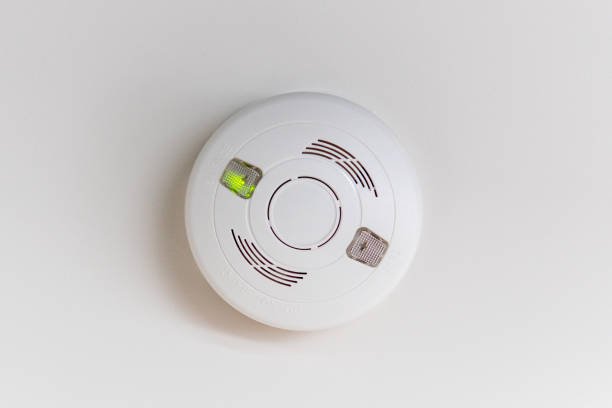
  • How to Change Your Honeywell Alarm Code: A Complete Step-by-Step Guide

    How to Change Your Honeywell Alarm Code: A Complete Step-by-Step Guide

    1. Introduction: How to Change Your Honeywell Alarm Code

    Another useful feature of any system model you choose is the ability to change the password for your Honeywell alarm system. Whether you’re upgrading your security or want to ensure that your code stays confidential this time, we will show you the exact steps necessary to change your home alarm code, which is a vital skill.

    In this paper, we will discuss why it is important to learn the steps of changing your code, discuss the meaningful aspects of the process, and share some practical skills for ensuring the system’s security.

    2. What is a Honeywell Alarm System?

    Honeywell Alarm

    The Honeywell alarm system is a state-of-the-art security device that shields your business or house from burglary or emergencies. Most modern security alarm systems consist of motion detectors, devices that sense intrusion through doors and windows, DOMINATING control panels, and other user-friendly controls. The systems are controlled by codes, which are set by factories, and a master code, which allows the user to set their own code.

    3. Why is Changing the Alarm Code Important?

    It is very important to evaluate different alarm codes regularly for security. This means it will be more difficult for other people to access your system without permission, especially after a relocation or service or when you feel your code has been compromised. As a security measure, it is also recommended to swap codes regularly if some problems don’t exist.

    4. Step-by-Step Guide to Changing the Honeywell Alarm Code

    Prepare Your Honeywell Alarm System

    Get Your Honeywell Alarm System Ready Before doing anything, ensure your Honeywell alarm system is set and that you have the user manual. No instructions can assist you with model-specific queries.

    Access the Keypad

    Go to the Keypad Now, near your Honeywell keypad, and ensure your system is disarmed. This step ensures you do not disturb anything by changing your settings, and the alarm goes off.

    Enter the Master Code

    Put the Master Code in Boxes Your master code prepares you for the programming of the whole system. Most common default codes tend to be set as 1234 or other generic ones; however, if you have changed this information, input in your designated master code.

    Select the “Programming” Mode

    Then, you must click the master code and start working on the system programming mode. As per the various Honeywell models, you might need to click one of the buttons to enter this mode. When in programming mode, the keypad displays a confirmation of the system.

    Enter the New Code

    Enter a new code and click “accept”. You must select something really tough as well as difficult to crack. A phrase or combination of letters and numbers would work well. A code should be easy to memorize but difficult for others to crack, so choose wisely.

    Save the Changes

    A designated button can be used; for example, it is usually “#. ” While clicking, I need to ensure that I click the button to append the changes. This confirms the newly created settings and that my system’s new code is correct.

    Test the System

    Finally, using my new code, I shall test the system to see how effective it is and whether the task that I intended for it to do is being accurately performed. If whatever new system input you have worked on executes the tasks correctly, it indicates that the code has successfully been altered.

    5. Troubleshooting Common Issues

    Incorrect Code Entry

    If I incorrectly enter my code, resulting in the system failing to complete my command, there shall be an option of an alarm. I shall enter my preferred code, ensuring to keep an eye on the number of attempts remaining, as entering the wrong password too many times locks the code.

    System Not Responding

    First, ensure the keypad is linked to the main panel and the system has a power supply. Second, check if the system has been reset or check the Troubleshooting section of the user guide.

    Forgotten Master Code

    You are out of luck if you do not remember your master code; you will have to follow the Honeywell systems reset steps. Remember, this most probably entails a factory reset, which might wipe out your preferred settings, and thus have a backup.

    6. Tips for Choosing a Strong Alarm Code

    Avoiding Common Mistakes

    To improve your chances for success, avoid choosing alarm codes that are passwords that could be easy to guess, such as 1985, 1234, or combinations of repeated numbers. Can you keep it confidential? Don’t divulge the code to anyone who does not have a reason to know it, much less record it in a place where it can be easily found.

    How to Keep Your Code Secure

    Use letters and numbers to provide improved protection. A suggestion is to vary your code every few weeks. Each member of the family might have a unique code. The codes of some people can be removed without impacting the rest of the system once that person leaves.

    7. When to Change Your Alarm Code

    Honeywell Alarm

    After a Break-In or Security Breach

    If you suspect someone has tampered with your alarm system, you should immediately change your alarm code. Even if there is no intruder, it is better to be safe than sorry.

    Periodic Security Audits

    Review your home or business security every six months by changing alarm codes and testing sensors and the overall security system.

    8. Expert Insights

    “Regularly changing your alarm code is one of the most effective ways to prevent unauthorized access,” says home security expert Jane Doe. “A unique, frequently updated code ensures that even if someone gets hold of your code, they won’t be able to use it indefinitely.”

    9. Practical Applications and Future Outlook

    The great thing that worsening alarm security could easily lead to improvement is the Honeywell alarm systems. For example, future integration of home alarm codes with smart home controls could completely replace them altogether, and one might only be required to use an app or unlock them with a fingerprint. Reimagine your business or home with these new technologies to stay one step ahead.

    10. Conclusion

    In this post, we have discussed how to change the Honeywell alarm code. Updating your alarm code regularly is essential for securing your home or business. Following this guide, it’s clear that you can protect your interests easily and without too much hassle. Regularly changing your alarm code once a month, keeping yourself updated with relay-sounding bugs, and modifying your device per the latest technological updates are all helpful practices.

    FAQ’s

    [saswp_tiny_multiple_faq headline-0=”h3″ question-0=”How frequently can I change the code allocated to my Honeywell alarm system?” answer-0=”Ideally, you should only change your alarm code every 6-12 months or when an event requiring control over access arises, such as moving to a new location or a break-in, for instance.” image-0=”” headline-1=”h3″ question-1=”How can I hack the Honeywell alarm code if I accidentally forget it?” answer-1=”The master code may be retrieved by resetting the device back to its factory settings; the user manual should be consulted to know the options available for bypassing the restrictions. If you do this, there is a good chance it will delete all your customized settings, so back up your work if you can.” image-1=”” headline-2=”h3″ question-2=”Is it possible for me to set different codes for all of the other family members?” answer-2=”Yes, you are able to request additional user codes with the majority of Honeywell alarms. This helps to manage who uses the system and allows you to delete codes when they are no longer needed.” image-2=”” count=”3″ html=”true”]
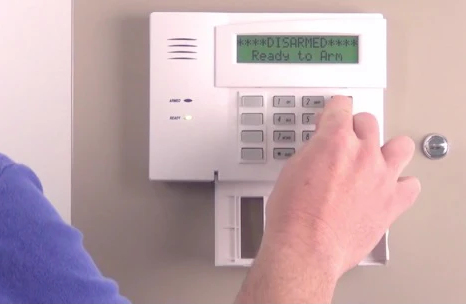
  • How to Test a Carbon Monoxide Detector: A Step-by-Step Guide

    How to Test a Carbon Monoxide Detector: A Step-by-Step Guide

    1. Introduction to Carbon Monoxide Detectors

    Carbon Monoxide detectors are an extremely important aspect of all household premises. These devices can save lives, as they detect Carbon dioxide, an odorless gas that can result in numerous health hazards if inhaled. In this article, we shall discuss the importance of these devices, how one can test their efficiency, and how to maintain them.

    2. What is Carbon Monoxide and Why is it Dangerous?

    Carbon monoxide is generated during gas, oil, or wood combustion, among other things. When inhaled, it alters the body’s ability to perform normal functioning, causing problems like dizziness or bad headaches and, in extreme conditions, even death. Since it’s colorless and odorless, the only way to know about CO is to have a carbon monoxide alarm in use.

    3. Importance of Regular Carbon Monoxide Detector Testing

    Carbon Monoxide Detectors

    One important check is to ensure your carbon monoxide detector has been checked regularly. Like any safety equipment, your CO detector’s performance levels can decrease with time. A faulty alarm won’t set off an alert, but it may spell danger as a dangerous level of CO rises, putting your family at risk. But doing the tests regularly puts your mind at ease, knowing your alarm’s reliability and effectiveness.

    4. Types of Carbon Monoxide Detectors

    Knowing the options for CO detectors can help you pick the one suitable for your house.

    4.1 Electrochemical Detectors

    They are the most common and effective CO detectors, which rely on a chemical reaction to measure carbon monoxide levels, providing accurate readings and alarms.

    4.2 Metal-Oxide Semiconductor Detectors

    These detectors detect CO with the help of an electric current that flows through a semiconductor; the flow is interrupted when exposure to carbon monoxide takes place. They are usually cheaper but not as accurate as electrochemical ones.

    4.3 Biomimetic Detectors

    These detectors are built to imitate the function of hemoglobin, which is the protein responsible for carbon monoxide binding in the blood. These are much more sensitive and, most of the time, are used along with other sensors.

    5. How Often Should You Test Your Carbon Monoxide Detector?

    According to the National Fire Protection Association, CO alarms should be tested at least once a month. According to the manufacturer guidelines, the batteries should be changed twice a year, and the device itself should be replaced after 5-7 years.

    6. Step-by-Step Guide to Testing Your Carbon Monoxide Detector


    6.1 Step 1: Gather Your Materials

    You should always ensure that you handle all the required material, including a battery, a test button, or a CO test kit. Every model is different, so make sure you check the manual first.

    6.2 Step 2: Perform a Manual Test

    Usually, CO detectors have a test button built in. Push this button and hold it in the down position to see if the device bleeps. If it doesCarbon Monoxide Detectors, your device is up and functioning properly. If the alarm does not beep, you should troubleshoot the device.
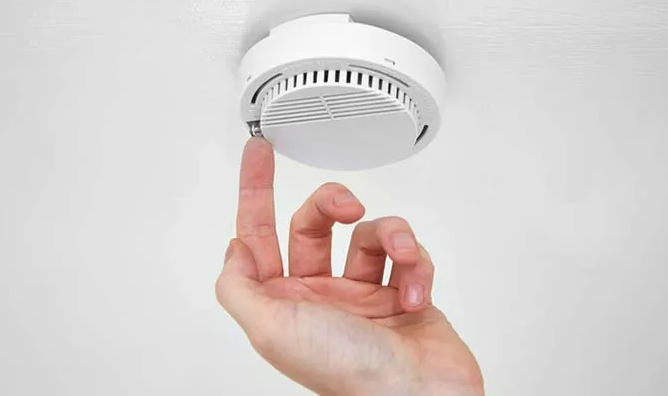
    6.3 Step 3: Test the Alarm Function

    If you want to trigger the test response of the detector, CO test kits can be used, or one can press the button for a device with the gas tester in it. If the alarm goes off, then the detector has been activated.

    6.4 Step 4: Check the Battery Life

    Even when it is said that an alarm is on, checking the battery is important. Some devices will have battery sensors built into them to do this automatically. Otherwise, testing the battery would be required, and replacing it would have to be done.

    7. Common Issues in Carbon Monoxide Detectors and How to Fix Them

    7.1 False Alarms

    False alarms can occur for various reasons, including the cord itself, curtains, or other smoke makers. As installed, ensure the nuisance such as cigarette smoke or eating steam from a shower is elsewhere to minimize false alerts.

    7.2 Low Battery Warning

    A low battery warning is a signal that the circuitry requires new batteries. If you’re using a battery powered CO detector, you must change the batteries immediately to avoid alarm activations.

    7.3 Detector Not Responding to Test

    In the case your detector does not respond to the test, it probably has to reset or changed completely. If it has the unit manual, there are integrated troubleshooting strategies inside.

    8. When to Replace Your Carbon Monoxide Detector

    Carbon Monoxide Detectors

    No matter how top-of-the-line CO detectors are created, they will always have an expiration date, which usually is around 5 to 7 years. With time, the only sensors inside them lose their effectiveness, making them less valuable. As a rule of thumb, replace every detector after the time specified by the production company.

    9. Expert Insights on Carbon Monoxide Detection

    Dr. Emily Richardson, a safety expert, emphasizes the importance of placing a CO detector near sleeping areas and in all rooms where gas-burning appliances are used. Regular testing, she states, is crucial for preventing CO poisoning in the home.

    10. Future of Carbon Monoxide Detection Technology

    With new technologies, CO gas monitors become more advanced and functional. These devices contain many additional features, such as notifications to smartphone applications, real-time alerts, and better sensor technology, making CO detection more accurate and easier to use.

    11. Conclusion: Keep Your Home Safe with Regular Testing

    CO detectors are essential devices for your safety. When you periodically check and properly maintain the equipment, you reduce the chances of carbon monoxide poisoning. Take measures for your family’s safety as soon as possible, and do not wait for the time when you might regret it.

  • How to Change a Smoke Detector Battery: Step-by-Step Guide

    How to Change a Smoke Detector Battery: Step-by-Step Guide

    1. Introduction

    Importance of Smoke Detectors

    Smoke detectors have the potential to be the best allies within a household; every single minute of the day, they are consistently on the lookout for smoke within the insides of a home. They bestow the vital first alert in situations where a fire may occur, which can endanger a person’s life and harm the structures of one’s home.

    Even though smoke detectors are small devices, they hold great importance in a house as they catch smoke and ring the alarm for the entire community to wake up and vacate the house.

    Why Changing the Battery is Crucial

    The heart of a smoke detector is its battery; without a working battery, a smoke detector is no better than a lifeguard who is busy glancing at their smartphone. A smoke detector can be negligent to fires if it doesn’t have its batteries charged, this is why batteries should be changed whenever necessary. A weak or dead will make it impossible for devices to ring.

    What This Article Will Cover

    This article highlights the fundamental role of changing batteries and troubleshooting very basic problems with smoke detectors. Eventually, it should allow readers to find a clear solution to every fire alert issue they may experience.

    2. What You Need Before Changing the Battery

    Tools Required

    Before you start, ensure you have all the necessary tools.

    • Sturdy Ladder (if the surface is too high to reach)
    • Flathead Screwdriver (to remove the smoke detector from the base)
    • New Battery, 9 Volt or as suggested for the specified model

    Choosing the Right Battery

    It is paramount that the right battery is selected, that is indeed integrable with the smoke detector. Though most 9-volt battery works with more than half the Smoke detectors, few other models may opt for a diverse range of specifications. To avoid any future problems with incorporating the battery, always go through the Manual which comes with the Smoke Detector kit.

    Safety Considerations

    Making sure that changing the battery of the Smoke detector is done safely is crucial:

    • Ladders or stepstools can be utilized to not stretch out too far.
    • When swapping the battery out, try not to have metallic objects around your hand.
    • Should your wire be connected directly to the House circuit, be certain to turn it off to avoid shock hazards.

    3. Step-by-Step Guide to Changing the Smoke Detector Battery

    Changing the Smoke Detector Battery

    Step 1: Prepare the Area

    Before proceeding the first thing you need to do is make sure that the area is secure and safe.

    • Check around the smoke detector and ensure there are no objects that might get in the way.
    • Check to see if there is enough free space to put the smoke detector in once it has been taken out.

    Step 2: Remove the Smoke Detector from the Ceiling

    Unscrew the mounting screws from the smoke detectors using a flathead screwdriver. For other types, simply twist them anti-clockwise from the ceiling to unlock a screw-type lock.

    Step 3: Take Out the Old Battery

    Beginning with the smoke detector, find the inch “Battery Bay” and open it thoroughly remove any old batteries and discard them through a recommended recycling point.

    Step 4: Insert the New Battery

    The new batteries should be placed within the compartment and positioned accordingly. Winds should show which side is up More often than not.

    Step 5: Test the Smoke Detector

    Verify if the battery is installed properly by testing the detector but pressing the test button. A sound should occur instantly. Otherwise, check the battery connections and repeat the initial steps.

    4. Troubleshooting Common Issues

    If the Alarm Goes Off Without Reason

    In case your smoke detector freaks out while there is no visible sign of fire, there might be a good chance that there is very little dust in the camera or a battery is dead. Put in a new battery as a starter. If the alarm refuses to turn off, clean out the dust on the lens and reset the device as the manufacturer recommends it.

    If the Battery Doesn’t Fit

    If the new battery does not fit in the compartment, go back and check the type of the battery and how it is placed. If the case is broken, then you will probably have to replace the smoke alarm unit.

    If the Smoke Detector Doesn’t Respond After Battery Change

    If the smoke alarm does not go off after reinstalling the batteries, confirm that the battery is put in correctly. If this still does not resolve the problem, it may be that the smoke detector is faulty and needs replacing.

    5. Expert Insights on Smoke Detectors

    Quotes from Fire Safety Experts

    “Regular maintenance of smoke detectors, including battery changes, is one of the simplest but most effective ways to prevent fire-related injuries and deaths,” says Emily Jacobs, a fire safety expert. “Don’t wait for the battery to die – take action annually to ensure your detectors are working properly.”

    Importance of Regular Maintenance

    In addition to changing the battery, experts recommend cleaning your smoke detector every six months to remove dust and debris. Keeping your detector clean ensures it can sense smoke effectively.

    6. Safety Tips and Best Practices

    Safety Tips

    Best Practices for Installing Smoke Detectors

    Install smoke alarms on all levels of the household, including bedrooms and hallways. Detectors should be located on the ceiling or as high as the wall so that they work best. Do not place detectors in ventilated areas because this might alter the airflow around the device.

    How Often to Replace the Battery

    Experts in fire prevention suggest changing a smoke detector battery at least once every year or immediately when the smoke detector starts chirping low battery signal. A lot of people replace their batteries when the clock goes one hour back or forward due to daylight saving time changes.

    7. Future Outlook: The Evolution of Smoke Detectors

    Technological Innovations in Smoke Detection

    Newer smoke alarms are more sophisticated like now some models integrate carbon monoxide detection, can be connected to smart homes or even provide voice alerts. With these new features, the safety measures of the house are even more effective than before.

    Battery-Free Smoke Detectors

    Furthermore, smoke detectors without batteries are rather expensive now, but in the future as long as solar power or rechargeable batteries become available, such devices will be common.

    8. Conclusion

    Summary of Key Points

    It is essential that you properly maintain your smoke detectors if you wish to keep your home well-secured and free from threats. This guide has instructed you on how to go about changing the battery while also covering a few minor problems that may arise. It is also important to remember to clean your detectors from time to time and follow some of the testing and maintenance recommendations provided by professionals.

    Final Thoughts and Call to Action

    After changing the desired battery, feel free to keep using your smoke detectors without worrying much but do make sure to check them after some months and do a replacement every twelve months. Remember that no danger is worth your family’s safety, so take the necessary steps!

    FAQ’s

    [saswp_tiny_multiple_faq headline-0=”h3″ question-0=”1. How often should I change the battery in my smoke detector?” answer-0=”Batteries in smoke detectors should be changed at least once a year, or immediately when the device emits a “low battery” chirp. For added consistency, many people change batteries during daylight saving time changes. ” image-0=”” headline-1=”h3″ question-1=”2. What type of battery does a smoke detector need?” answer-1=”Most smoke detectors use 9-volt batteries, but some models require AA or other battery types. Always check your smoke detector’s manual to ensure compatibility. ” image-1=”” headline-2=”h3″ question-2=”3. Can I use rechargeable batteries in my smoke detector?” answer-2=”Rechargeable batteries are generally not recommended for smoke detectors, as their voltage can drop quickly and fail to provide consistent power. Always use the type of battery specified in your detector’s manual for optimal performance and safety.” image-2=”” headline-3=”h3″ question-3=”4. How do I know if my smoke detector is working after replacing the battery?” answer-3=”Press the test button on the smoke detector. If it’s functioning properly, the alarm will sound loudly. If there’s no sound, recheck the battery installation or consult the manual for troubleshooting. ” image-3=”” headline-4=”h3″ question-4=”5. When should I replace the entire smoke detector, not just the battery?” answer-4=”Smoke detectors typically need to be replaced every 8-10 years. Check the manufacture date printed on the device. If it’s nearing or past the 10-year mark, replace it to ensure reliable operation.” image-4=”” count=”5″ html=”true”]